We can report reduced “ropiness” when applying Polyester to steel resulting in a finish that looks sprayed rather than rolled, a 75% reduction in solvent pop due to reduced solvent addition, a 100% reduction in solvents added to primers and backers, and a 60% reduction in solvents added to finish coats. This was the easiest capital project implementation that we’ve ever done!
Manually monitoring, measuring, and adjusting a material’s viscosity using a flow cup and stopwatch create unacceptable ranges of process variability due to crises-based dosing. However, once a fully automated control system is implemented, precise adjustments instantaneously take place reducing process variability by 97 percent.
As part of our ongoing continuous improvement plan at Roush, we decided to take a more aggressive approach to our temperature control in the paint shop. The resulting quality improvement was immediately noted and helped drive our FTC (First Time Capability) up and sustain it where we needed it to be.
These days, it’s not enough to simply use a robot in your automated fluid dispensing process. If you want high-quality, reliable, consistent results, you need tight viscosity and temperature control at the point of application. And that’s exactly what Saint Clair Systems does.
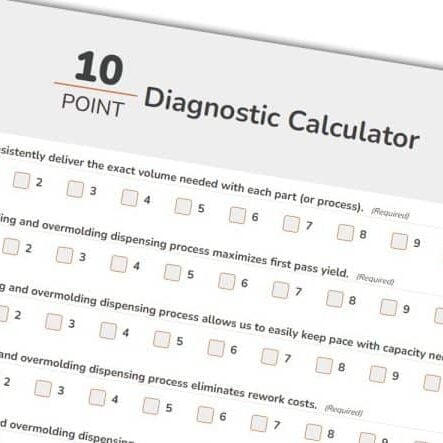
Our convenient 10-question diagnostic tool allows you to self-evaluate and see how you stack up against others in your industry. If your process has inefficiencies, let us help identify them and propose solutions to help minimize wasted money, time & resources.
We have made it easy for you to quickly answer the questions, receive a score, and get an idea of where your process stands. Use our experience to help determine if you’re missing opportunities for process repeatability, reliability, and waste reduction..
The long-accepted practice of attempting to control temperature in the mixing room leaves too many opportunities for ambient temperature to fluctuate and impact viscosity (and, in turn, the quality of your output).
We know each process has its own unique qualities. Get in touch with us so we can learn more about how your process functions and how temperature and viscosity may be affecting your bottom line.
As always, our temperature & viscosity control experts are available to speak with you about your your process. Give us a call or check out our FREE process evaluation.
Orange peel in paint is one of the biggest causes of paint finish defects in automotive and industrial paint applications. This FREE eGuide will help you identify:
资料来源:企业官网公司介绍页面(复核日期:2026-10-29)。